
A STORY OF TRANSITION
A Settlement Transitioning to a Post-Hydrocarbon Era, on a Journey of Decarbonisation
Perhaps nowhere in the UK is the process of decarbonisation at a settlement scale more apparent in the built environment than in the Nottinghamshire village of Eakring. Once the country’s largest inland oilfield, it’s now generating the equivalent in renewable electricity locally to power the village several times over. Seventy years after the last drop of oil was extracted, Eakring has recently expanded with nine fossil-fuel-free homes (Howgate Close) [see FIG. 2] and another (Tork Lane Cottage) under construction.
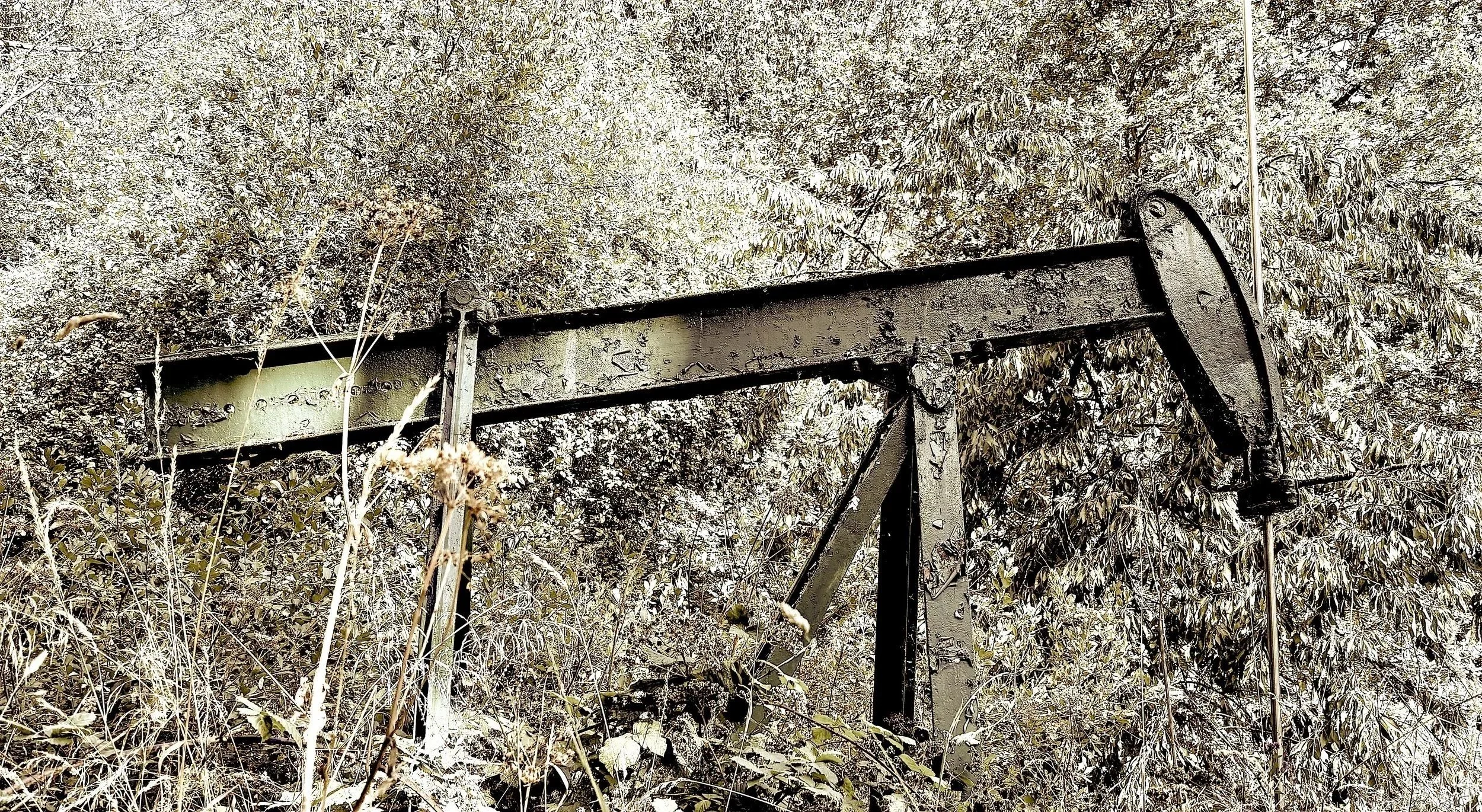
FIG. 1: A nodding donkey restored in Dukes Wood, Eakring
During its 27years of operation from 1939 to 1966, Eakring’s former oilfield, yielded 3,000 barrels of oil daily from 170 wells, employing 1,200 personnel So vital was the role of Eakring’s oil during the second world war that Geoffrey Lloyd, Secretary for Petroleum (1940-1942) wrote;
“...Oil was also heat and light and mercy.....it fuelled kitchens, it powered the radios and telephones, it warmed and illuminated the hospitals, it refrigerated the life-saving plasma’s it heated the instrument sterilizers, it ran signal devices, water purification systems, and repaired machinery.”
Eighty years after Eakring No.1 first struck oil in June 1939, a fitting epitaph to Eakring’s oil legacy was erected in the nearby ‘Dukes Wood’[see FIG 1], now a Site of Special Scientific Interest (SSSI) [i]Here a six-foot bronze statue depicts an American oilman aptly named, ‘Oil Patch Warrior’. Lest we forget how this natural resource was won, the five remaining restored nodding donkeys are keeping the Warrior company.
Another of Eakring’s oil exploration legacies resides in the form of the National Grid’s Training Centre. It was on this site that D’Arcy Exploration Company (now BP) set up its ‘Eakring Yard’, which eventually evolved in to BP’s Research Station. From here in 1965, Britain’s first oil rig ‘Sea Gem’ was developed and its 200feet high structure pre-assembled in Dukes Wood. ‘Sea Gem’ was later shipped from Great Yarmouth achieving Britain’s first hydrocarbon discovery in the North Sea’s British Sector, now known as ‘West Sole Field’. Many of the rig’s crew where Eakring Yard personnel.
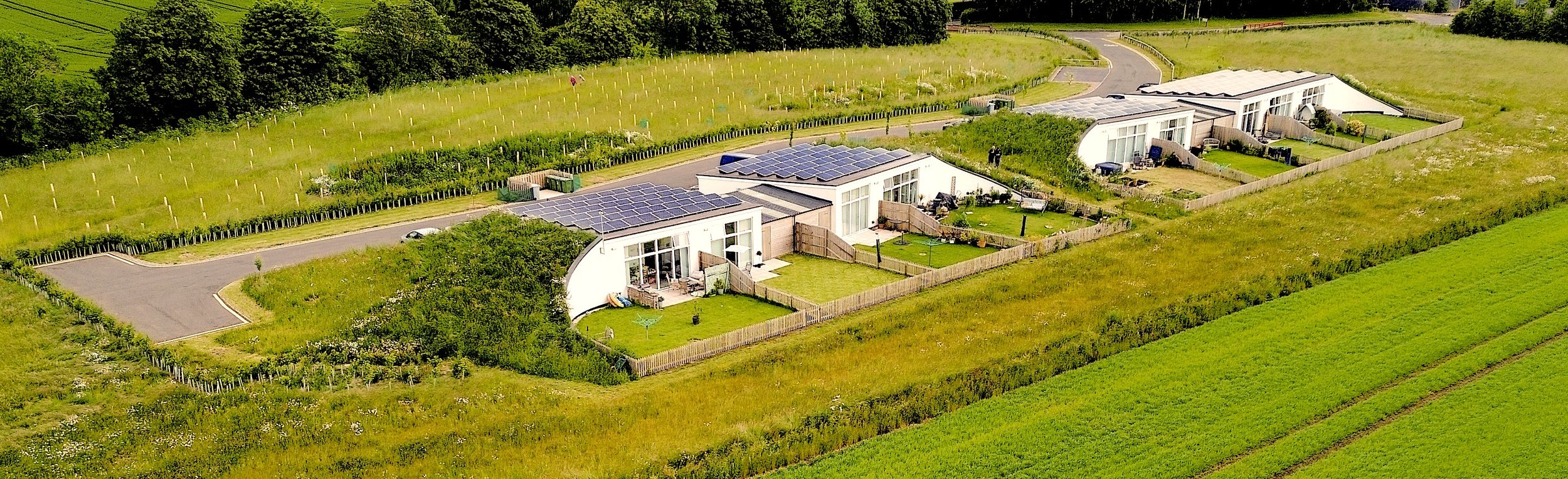
FIG. 2: Howgate Close, Bilsthorpe Road, Eakring, NOTTS. NG22 ODF
A Journey of Decarbonisation
Once Britain’s oil exploration epicentre, Eakring’s nodding donkeys are now replaced with solar farms and wind turbines. In the last decade, three wind turbines have been erected within the Parish, a 12MW solar farm built on Stonish Road and over 250kW of roof mounted photovoltaics installed within the village. A concomitant benefit for Eakring Parish Council is it receives a 25year annuity of £7,000 annually from some of this energy.
Eakring is now emerging as a settlement in transition, on a journey to decarbonisation. Enough renewable electricity is already generated locally to power the village, but in a post-hydrocarbon era, buildings will likely generate their own energy.
One such enterprise is Eakring Farming, from its roof mounted photovoltaic panels, generate 130,000kWhrs annually, making the farm a net producer of renewable energy. Bolstering its energy security, Eakring Farm is planning to install a commercial scale BESS (Battery Energy Storage System) Its pursuit of energy independence is yet another step towards decarbonisation.
In the meantime, in 2022 Eakring Farming built Howgate Close, nine fossil-fuel-free homes, recognised as UK’s most energy efficient group of homes by virtue of its 142 SAP Rating Local residents now occupy post-hydrocarbon era ready homes with low to no energy bills nestled in 10acres of maturing wildflower meadows, woodland and a wetland area.
Another Eakring fossil-fuel-free home for a local resident, Tork Lane Cottage (SAP Rating 154A) is currently under construction, also by Eakring Farming. This home advances even higher levels of energy efficiency and carbon mitigation, setting new performance benchmark for UK housing.
Eakring is a settlement where the process of transitioning towards a post-hydrocarbon era has started, leading its own journey of decarbonisation. It may be reasonable to assert that this Nottinghamshire village may be unique in the UK. Where else still stand the apparatus for the winning of fossil fuels sitting alongside the apparatus used for delivering fossil-fuel-free homes and energy?
[1] Pecover. W.G. (2024). To what extent did onshore oil production in Britain 1939-1945, with specific reference to the Nottinghamshire oilfields, make a significant contribution to the war effort?
[1] Site of Scientific Special Interest, Dukes Wood, Eakring, SSSI
[1] NSDC. 2014. Planning Reference 14/SCR/00015. 27TH March.
[1] HM Government. (2022). EPC No. 0370-3412-0030-2322-6481, 1 Howgate Close. June.